We build AI systems for clients.
Now you can run them too.
Armada cuts your inference bill, Shagl replaces a content team's output, and our open models run on a fraction of the GPU spend. All three came out of years of production work before we opened them up.
142ms median TTFT, on GPUs priced for inference, not training.
One brief, nine channels, indexed in under 12 minutes.
Runs on a fraction of the GPU spend. Free to download.
We built this to cut our own costs. Now it can cut yours.
Each one solved a cost or speed problem in production first — most on client work, Shagl in our own content operation. Once it held up, we opened it up so you don't have to solve the same problem from scratch.
Armada
LiveProduction AI inference — 30–75% cheaper than datacenter H100s.
Drop in as a replacement for your existing OpenAI API calls, on GPUs priced for inference instead of training. Scales to zero between requests, so idle time costs you nothing.
Read more ↓Shagl
LiveOne narrative in, nine channels out.
Turns one brief into channel-native content for nine platforms, drafted, SEO-structured, and published through official APIs. Your team approves only what needs a human eye.
Read more ↓Open Models
NewOpen LLMs, shrunk to run cheaply — free to download.
We compress open models with Intel AutoRound so your team can serve them on modest GPUs instead of buying more. Two LFM2.5-2.6B builds live on Hugging Face, benchmarked in the open.
Read more ↓Production inference, without the H100 tax.
Most inference platforms default to datacenter GPU pricing no matter what your workload actually needs. Armada runs on hardware picked for inference economics instead of training: RTX 6000, RTX 5090, RTX 4090, and H20. Every model sits behind vLLM or TensorRT-LLM with an OpenAI-compatible API, scales to zero between requests, and bills by the minute instead of the hour. It is the same stack behind the voice agents, transcription pipelines, and LLM-backed products we have shipped for healthcare, fintech, and logistics clients, the industries with the least tolerance for a vendor that gets this wrong, now available directly.
LLM inference
Qwen, DeepSeek, Llama and more, served on vLLM or TensorRT-LLM with structured outputs and tool calling.
Image and video
SDXL, Flux, Stable Video Diffusion and ComfyUI graphs, deployed as autoscaling endpoints.
Transcription
Whisper large v3 and NeMo runtimes with diarization, timestamps and streaming.
Real time voice
Low latency STT to LLM to TTS pipelines for voice agents, streamed over WebSocket.
Embeddings
BGE, E5, Nomic and OpenAI-compatible endpoints, with batching and reranking.
Observability
Structured logs, per-token metrics and OpenTelemetry traces, so you can see exactly what every request costs and where it slows down, not just that it worked.
One narrative in, nine channels out.
Shagl grew out of two engines we built to run our own content operation without growing headcount, one for publishing, one for search. Both solved the same problem in different places: turn one written narrative into everything a channel needs. We merged the pattern into a single pipeline you can point at your own brand.
Parse signals
News, trends and formats scanned across every channel, continuously.
Repurpose the brief
One narrative becomes channel-native drafts, with zero manual rewriting.
Connect channels
Published through each platform's official API.
Publish on your rules
Auto-posts at optimal times, with a human checkpoint on any post you choose.
Before Shagl
- Every post rewritten by hand for each platform's format, tone and length
- Publishing cadence slipping whenever the team is pulled onto client work
- Metadata, headings, FAQs and internal linking done manually on every page
- Brand output capped by headcount
With Shagl
- Channel-native drafts for nine feeds, formatted per platform automatically
- SEO-structured drafts generated automatically: metadata, headings, FAQs, linking
- Published through official APIs on a defined cadence, with review where you want it
- Every asset reused as source material instead of published once and archived
Built for founders and marketing leads who want more channels without growing the team to match: B2B companies, agencies running multiple client accounts, and content-driven brands.
The quantization work, made public.
Every inference project runs into the same wall: the best-performing checkpoint is too large or too slow to serve cheaply. We solve that with Intel's AutoRound quantization method instead of naive rounding, so the accuracy loss stays predictable instead of a gamble. We publish the resulting checkpoints as we build them, free for anyone to use.
Smallest and fastest
4-bit symmetric weights, fp16 activations. Fastest single-stream decode and the smallest footprint, but a real quality cost, uneven across languages. Use it when VRAM is the binding constraint.
Near-lossless
8-bit weights, near-lossless against the bf16 base model, still faster than it at low-batch decode. Use it when accuracy, multilingual quality, or logprobs matter.
Calibrated, not guessed
Each checkpoint is calibrated on a language-balanced sample set, and we publish where 4-bit quantization costs the most accuracy.
Drop-in on vLLM
Exported in GPTQ format — the 4-bit build runs on Marlin kernels, the 8-bit on vLLM's INT8 path. Quantization is detected from config.json automatically, no extra flags.
Free to download
Every checkpoint is open to download, run and fine-tune, under the base model's own LFM1.0 license.
Published as we build
New checkpoints land on Hugging Face first, as they come out of client work.
800+ projects. A few worth reading in full.
We maintain a full public case study library. These are a handful spanning the industries we work in most.
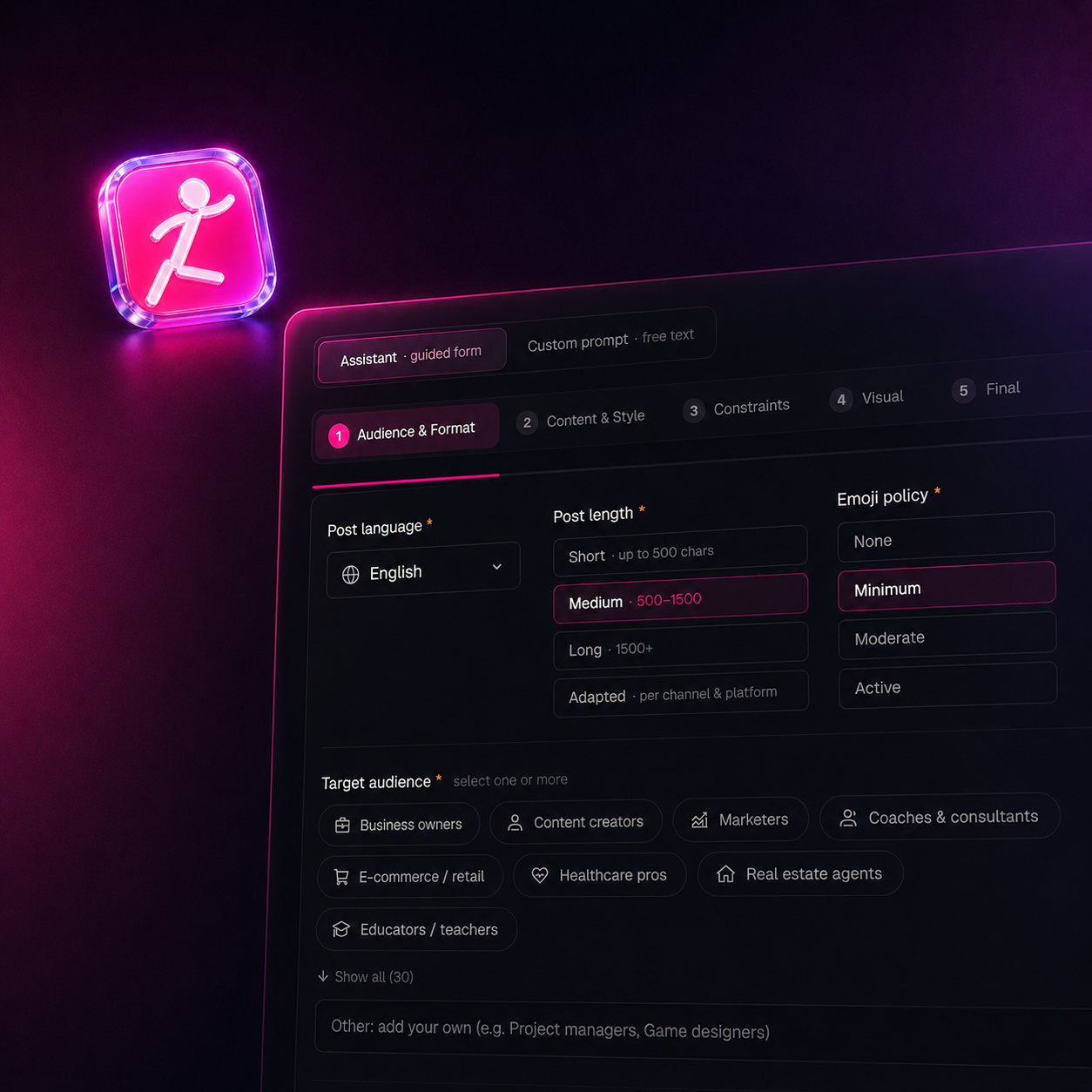
AI SEO autoposting engine
Automated SEO pages, metadata and publishing at scale.
Read case ↗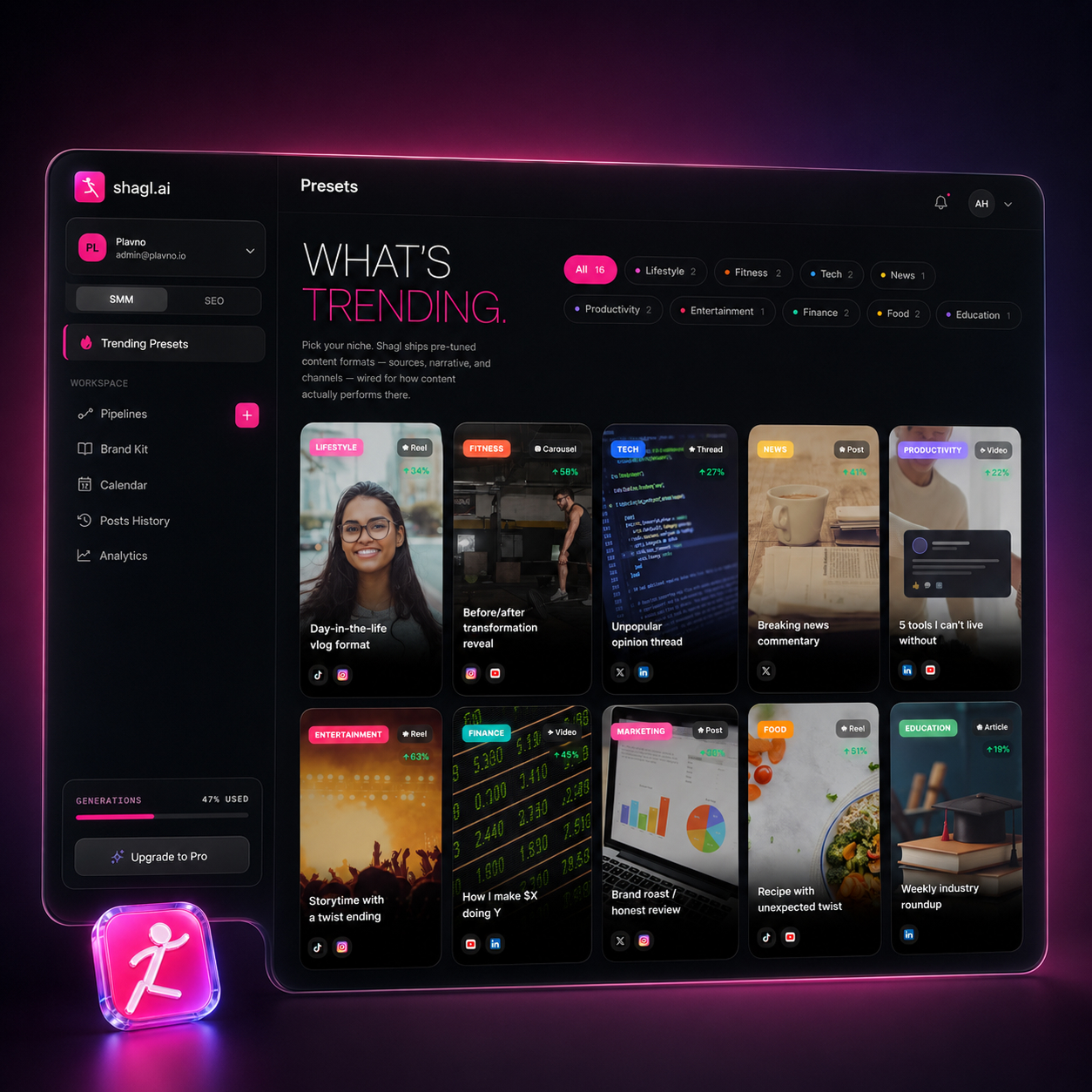
AI social media autoposting
One website turned into multi-channel social posts, automatically.
Read case ↗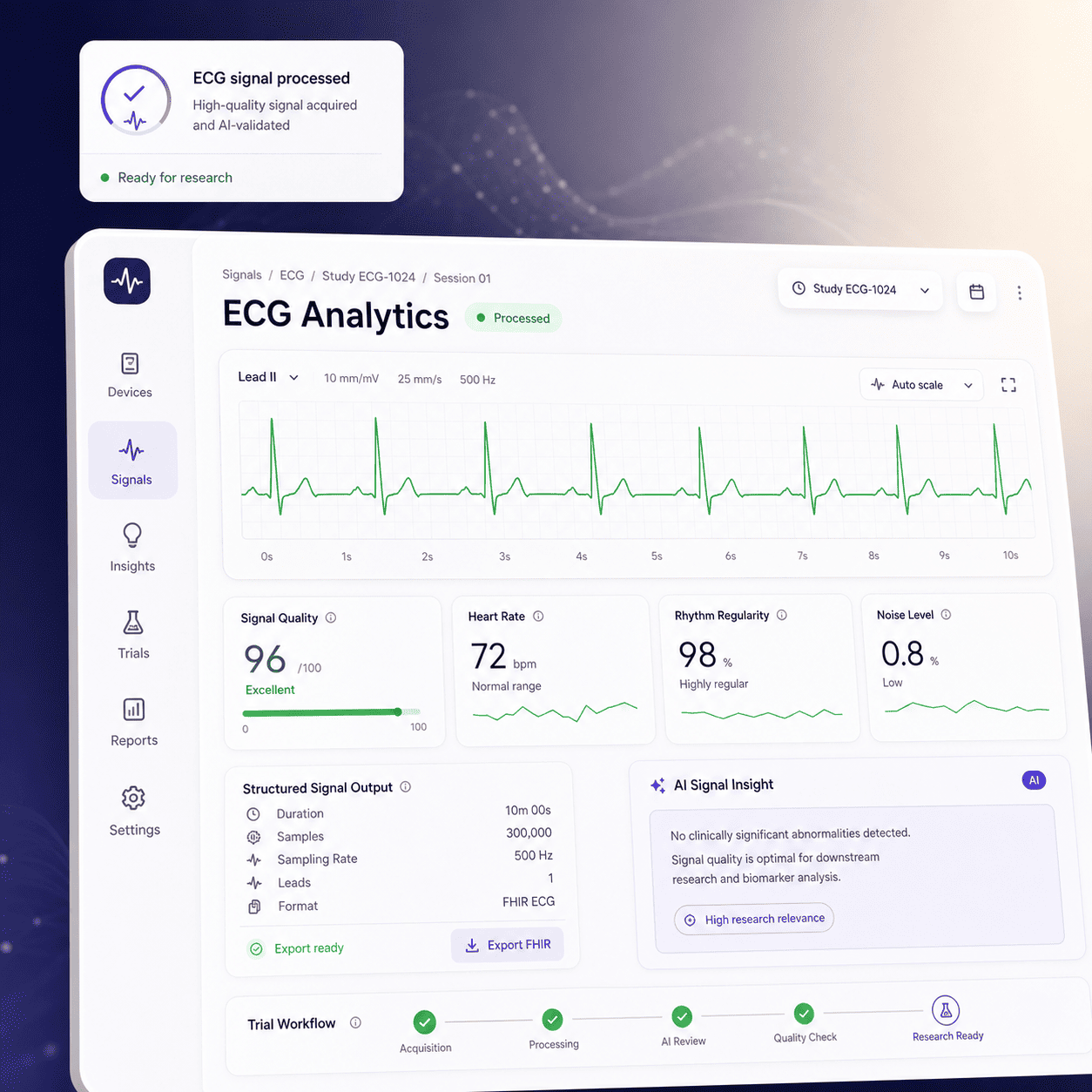
AI clinical data intelligence platform
ECG and stethoscope data turned into trial-ready analytics.
Read case ↗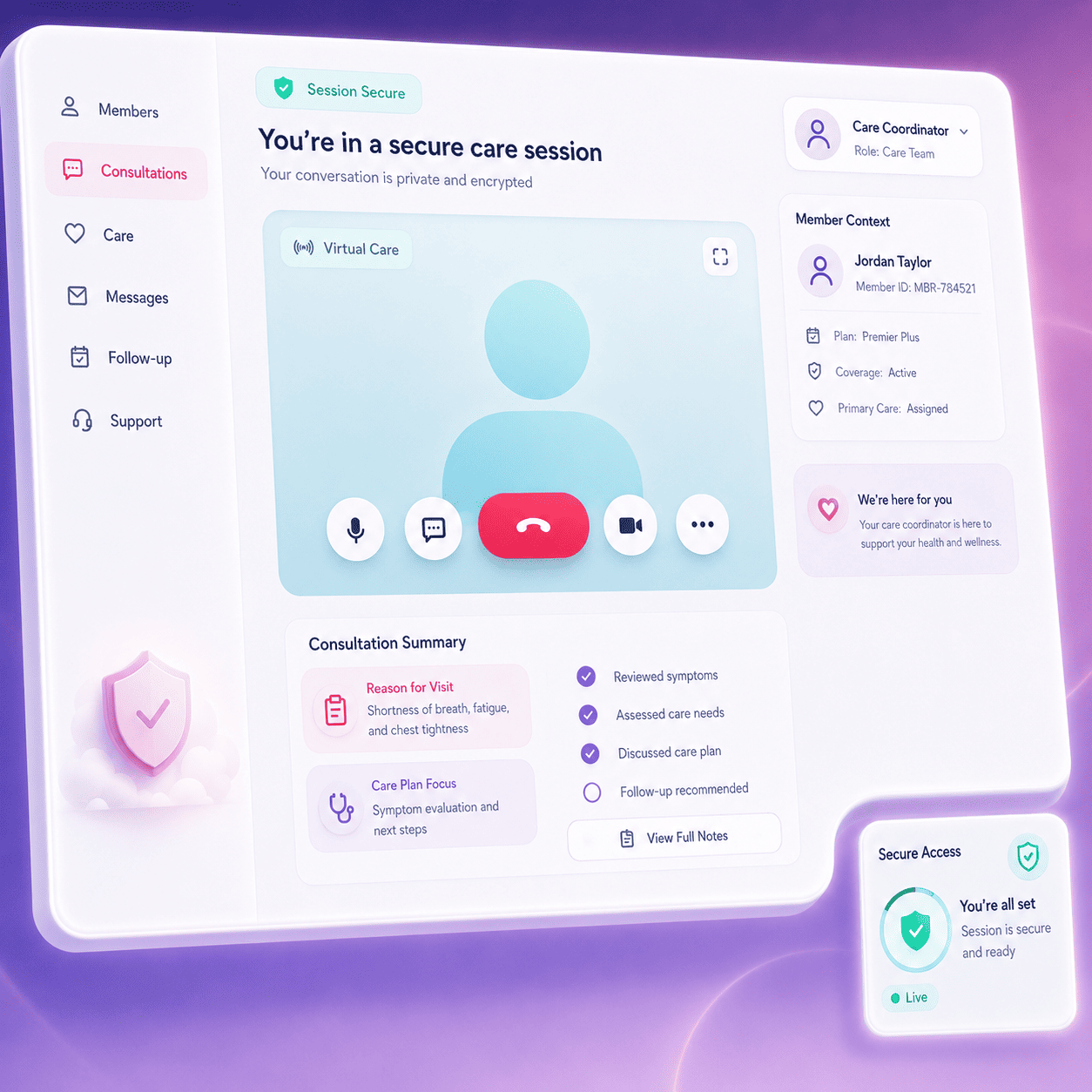
AI-powered virtual care platform
Secure member consultations embedded in a health insurer's platform.
Read case ↗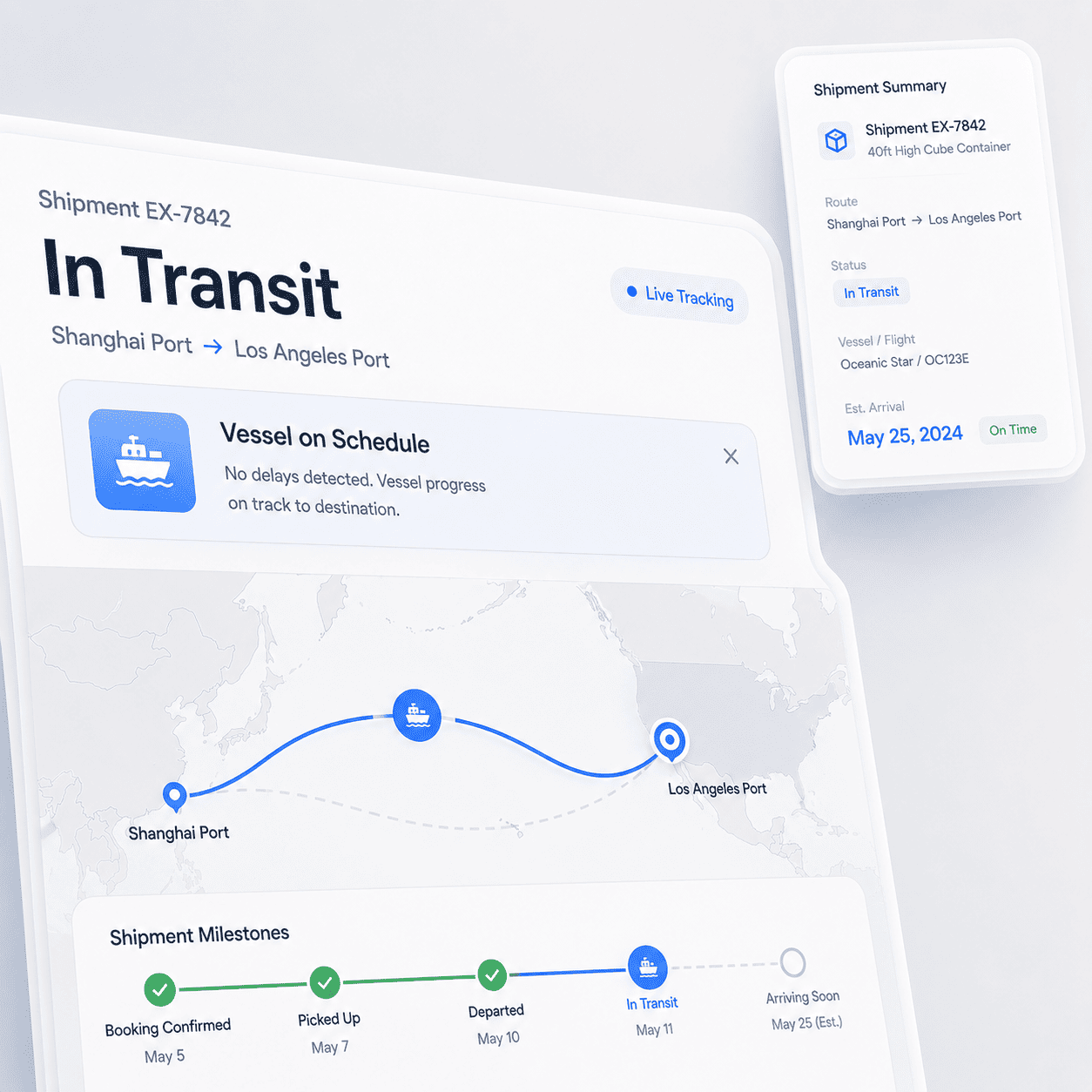
Logistics visibility platform with an AI agent
Shipment tracking and exception handling, automated.
Read case ↗Armada, Shagl and our models prove we run production AI. Our client work proves we have been doing this for two decades.
We have been building custom software and AI systems since 2007. The products above are recent, the track record isn't.
"Understood exactly what we needed and delivered with a lot of professionalism."
"Their work played a real role in T-Rize's success. The results went beyond what we expected."
"We built a system that now serves more than 40 million connected channels."
"Easy to work with, adapted smoothly to our existing workflows, delivered everything promised."
- A 3D product configurator for a manufacturer client grew their business by roughly 30%, with a clear jump in leads.
- Our own AI SEO autoposting engine, the same pattern that became Shagl, cut our content production time from weeks to days.
- Recognized by The Manifest as Most Reviewed B2B Partner, 2024.
Before you ask
Are Armada, Shagl and the open models separate companies?
No. We build and run all three ourselves. We keep them on their own domains because each serves a different audience, not because they're spun off.
Can I use these without hiring Plavno for custom development?
Yes. Armada and Shagl are self-serve: sign up, connect or deploy, no client engagement required. The Hugging Face checkpoints are open for anyone to download.
Are the Hugging Face models really free?
Yes. Every checkpoint we publish is open to download, run and fine-tune, no license fee beyond the base model's own.
Did Shagl start as an internal tool?
Yes. It grew out of the AI SEO and social media autoposting engines we built to run our own content operation, before we opened them up.
Do you still take on custom AI development work?
That's the core of what we do: 800+ projects across healthcare, fintech, logistics and more. See plavno.io for the services side.
Tell us what you're trying to solve.
A Plavno expert replies within 24 hours, and we can sign an NDA before anything else.
Request received.
A Plavno expert will reply within 24 hours. In the meantime, feel free to browse our work.
See our work ↗